Archive | Uncategorized RSS feed for this section

5th November – Route 13

5 Nov

The last part of the road to Pakxan was pleasant and very quiet. We only stopped a few times to take  pictures. First stop was for an unusual bit of roadkill. Not sure what type of snake it is but wouldn’t want to step on it in the dark! Next stop was to look at the cows. Even the fully grown ones are only about 1.2 m to the tip of their horns. The calves are the size of dogs.


The houses on the side of the road still built in the traditional way with hardwood stilts. On some of the ones we saw later the hardwood stilts had been replaced with reinforced concrete posts.


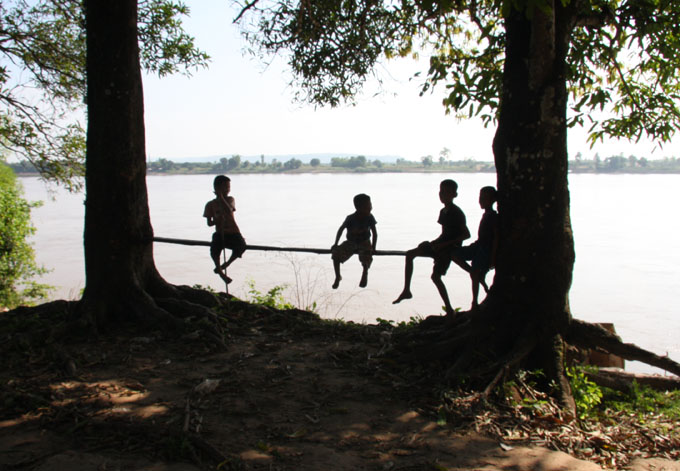
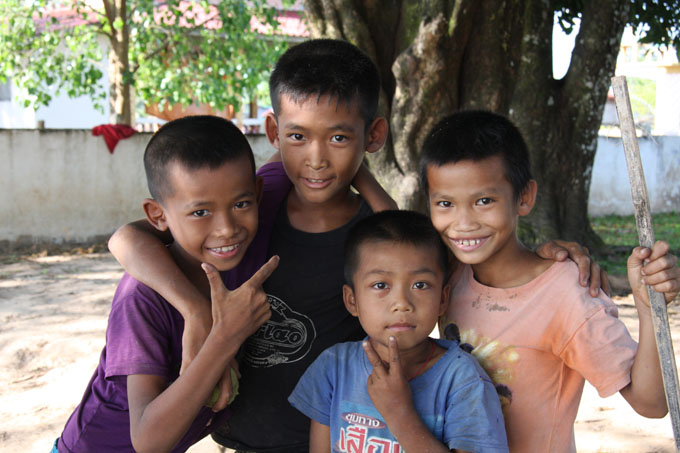
We joined Route 13 at Pakxan which was the biggest and busiest road since entering Laos, although you still could not say that the traffic was heavy. Route 13 follows the Mekong at this point, which is absolutely gigantic. It looks to be more than 1 km wide. We had the normal audience of small curious children as we cooked our meal.


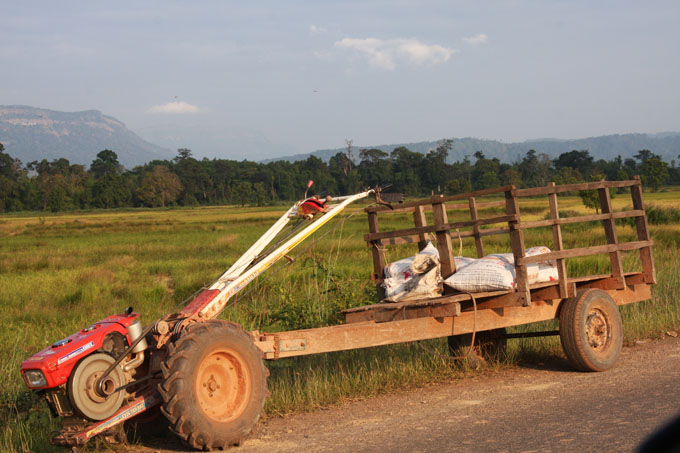
We continued along route 13 where the traffic consists of either new looking Toyota pickups, coaches, timber lorries, motorbikes or the multi purpose tractor units which are used for ploughing fields, moving rice and family transport. They are literally everywhere in Laos. People have to be fairly patient when covering any distance as they only travel at about 10km an hour.


Further along the road Graham jumped out of the car to buy a few bananas. Ten minutes later he came back with at least 5kg of bananas and one huge pineapple……… far too much, but it only costs the equivalent of 140p.

We finally left the mountains behind us after having travelled through them all the way from Xian in China. It is a huge range of mountains covering thousands of kilometers.

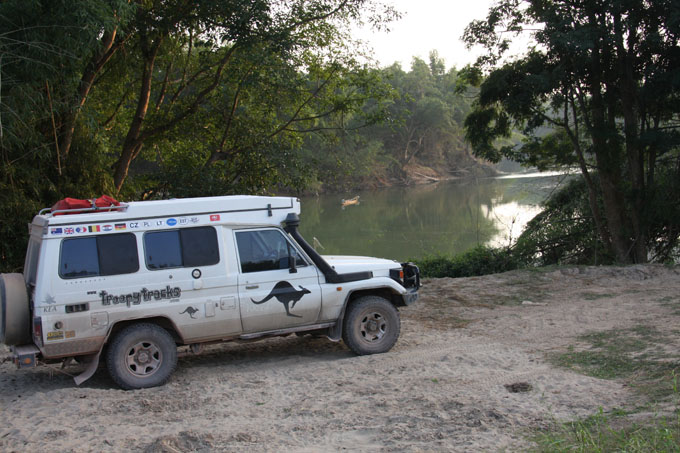
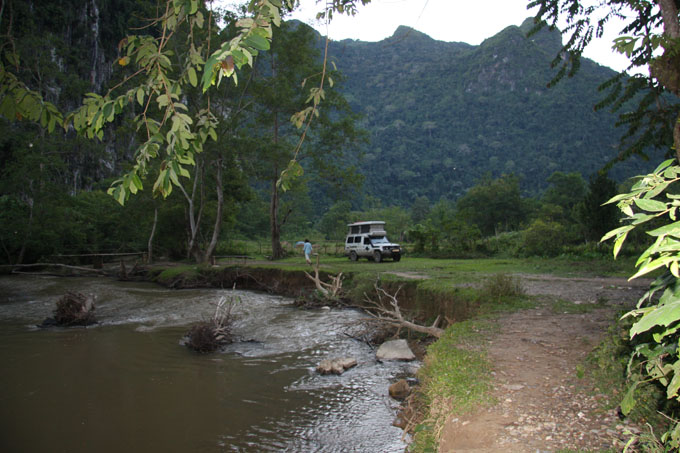
We found a place to stop for the night which seemed to be amenity land which is by a small river, so that we could wash the car and has it own pump for fresh water.


4th November – Road to Pakxan

5 Nov

Woke up in a thick mist by the lake. We could see that the sun would come through fairly quickly and so got ready to visit the jars site before it got too busy and warm.


It cost 10000 kip to enter the site (5000 if you are local). It’s a good idea to have two prices so that the locals are not excluded.

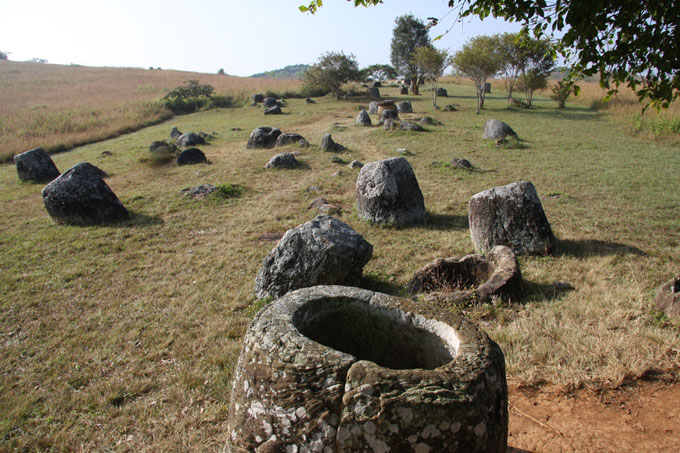
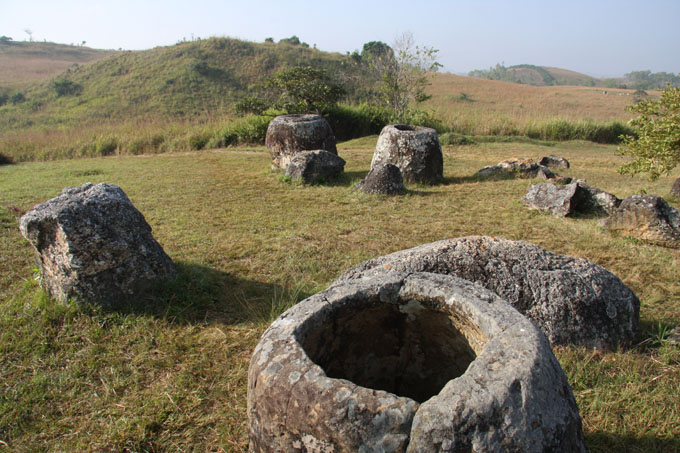
The first thing that you see as you arrive is the signs explaining the effort that was involved in clearing the site of UXO’s. This area was one of the worst hit areas in the Vietnam war. All the villages in this area were completely wiped out by carpet bombing. The whole area was deforested and lots of the hills remain bare and barren to this day. Our guidebook suggests that the land was poisoned in some way. Another thing to look up on our return!


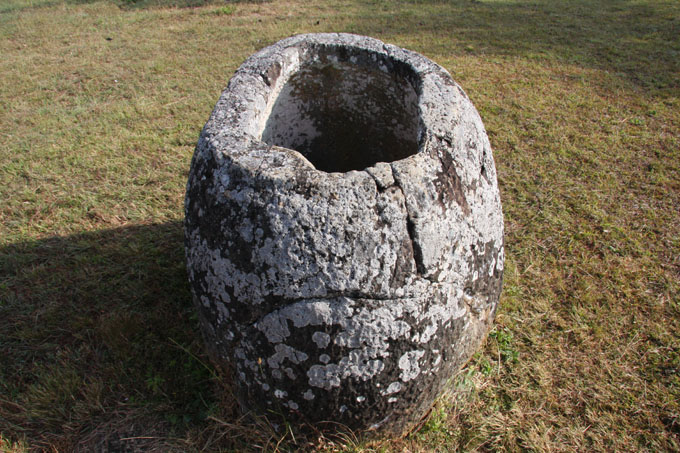
The jars are thought to be over 2000 years old and their purpose is not completely understood. It is thought most likely that they were used for burial purposes. It is a shame that the area was bombed so much, but being on the top of a hill with a system of trenches running around the hill, it had to be a target.


We decided to try one on the minor roads to Pakxan rather than go to Vientiane as we did not feel like going back into a busy city again yet. A driver warned us off one route and said ‘maybe’ you can get through on the other option. We set off south and at first the road was really good. In fact it was brand new tarmac! There were no crash barriers in the high mountain sections, but driving slowly felt fine. The road then changed to dirt although still very wide as though it was waiting for bitumen. As we went further the road showed more signs of mudslides and washout. Still not really a problem in dry weather.


The road continued to switch between bitumen and dirt, sometimes rough where it had been washed away and then refilled. There were a few small rivers to cross as the bridges were under construction all the way through. Nothing deep until we got to a point where a bridge was being built over the main river. By this time we had come too far to turn back and so we hoped we could cross!

We watched some water buffalo walk across and at no point was it over their backs, but it was close in a couple of places. More worrying was the fact that nobody else was driving across. In fact there was no traffic. Some locals told us it was no problem and pointed out a route which would take us via some shallow spots.


The nearside was fine, but there were two sections that looked deeper and faster.


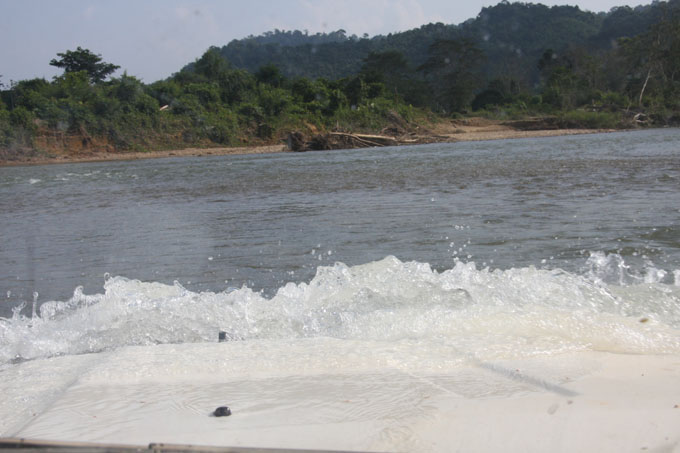
We then went up onto the last shallow before the faster section. We were a bit nervous as we had not forgotten the time that we got stuck in Mongolia. The car went into the current and it felt that we were travelling sideways. There was a bit of a hole on the riverbed and the front of the car dipped until the bonnet was covered. The engine also slowed and the fanbelt screamed as the fan tried to turn under water.


After one moment of doubt we popped up out of the dip and surged up onto the far bank.


We decided at that point that we not do any more river crossing on this trip … if possible!

Another 10 km down the road we got to another river crossing! This time I waded through to check the depth, and found that if I did a big loop downstream, we could cross with no problem.

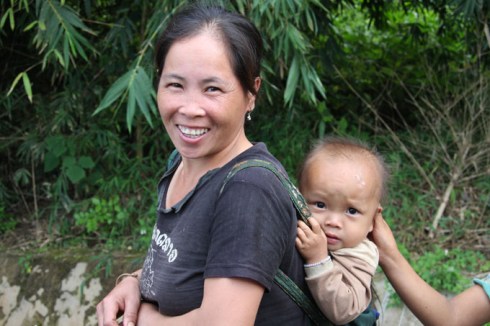
We were hot and bothered and needed a drink and so stopped at one of the many roadside stalls. The lady was really nice and insisted that we take photos and show them. Hoots of laughter followed!


We continued along the road and found a nice place to camp by the river.


Tomorrow we just had 63 km to do to get to Pakxan

3rd November – Phonsavan

5 Nov

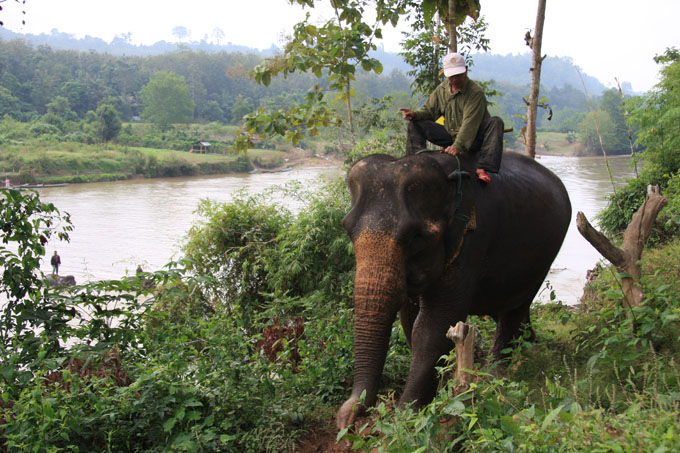
We spent a couple of hours at the Elephant Village just watching. The first thing that happens each day is that the handlers bring them back from the forest where they spend the night. They take quite a bit of encouragement to get out of the water!


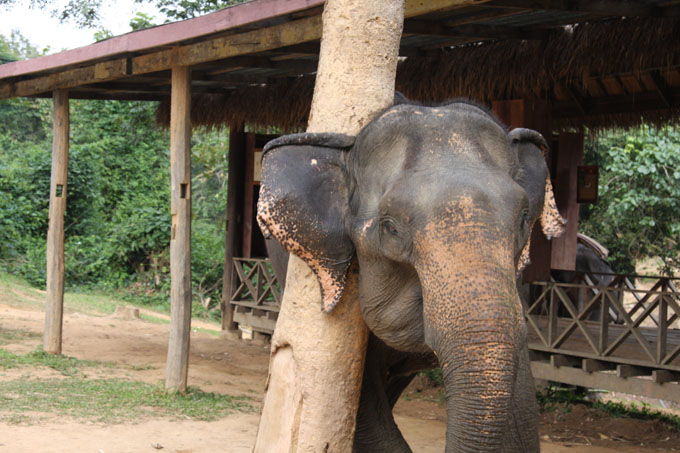
When they get back up to camp they are bought to a feeding station. One of them had an itch and used a tree to scratch it. It reminded me of Jungle Book, but not sure if it was the bear or the elephant that had the itch …


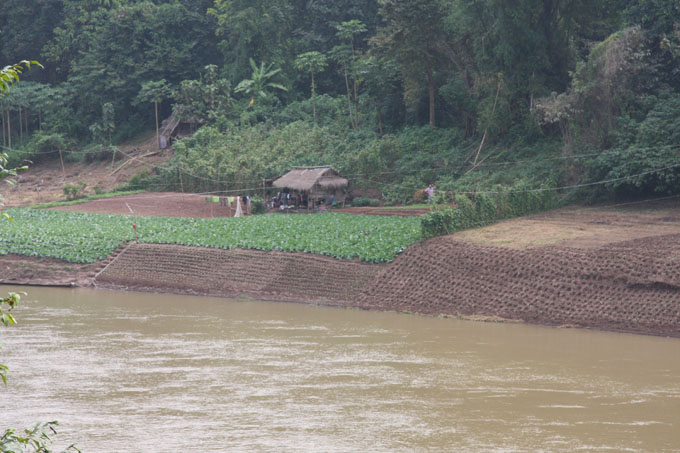
We drove south from the Elephant Village towards Vientiane, following the river. It was interesting to see that at the end of the wet season, locals start to plant on the edges of the river in the fertile silt. Lots of rain would be a disaster!


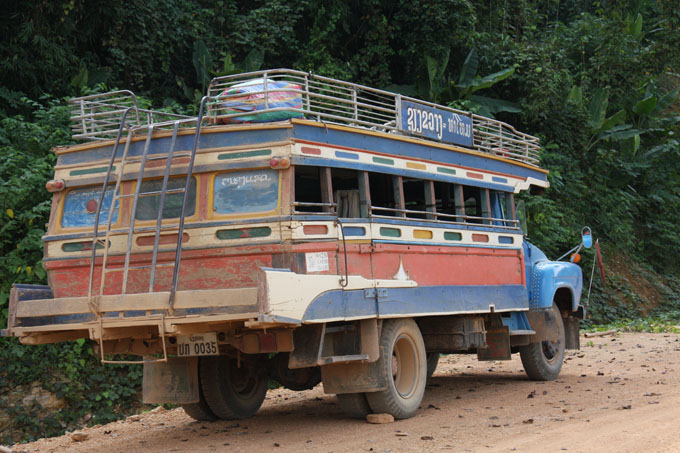
Further down the road was a local bus. With all the dust and no windows, we would not like to go too far in that.


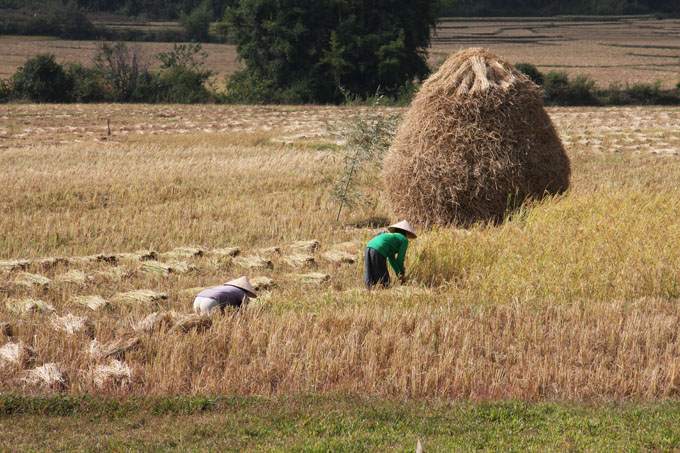
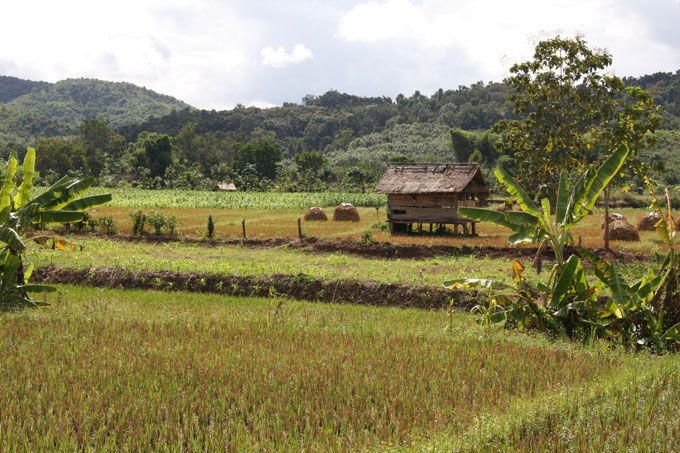
We turned off on to the road to Phonsavan and drove through the mountains for about 90km. The land started to flatten out and again rice was the main crop. The drying was done in big bell shaped stacks which looked great spread out across the landscape.


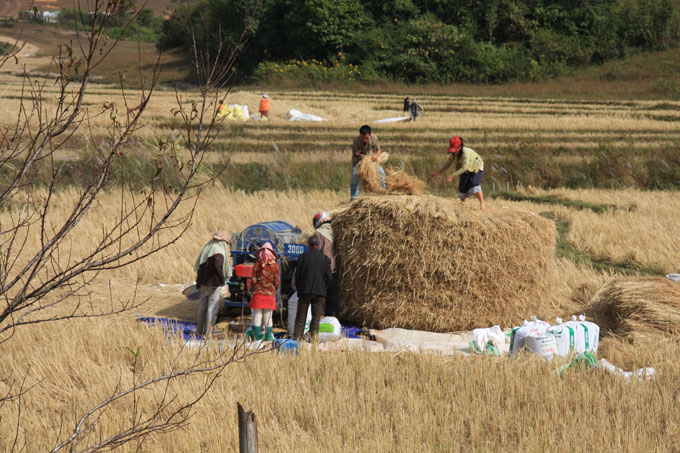
Some of the rice is thrashed by hand to separate the rice from the stems, here a machine was used. It seems like farm contracting goes on here just the same as home.


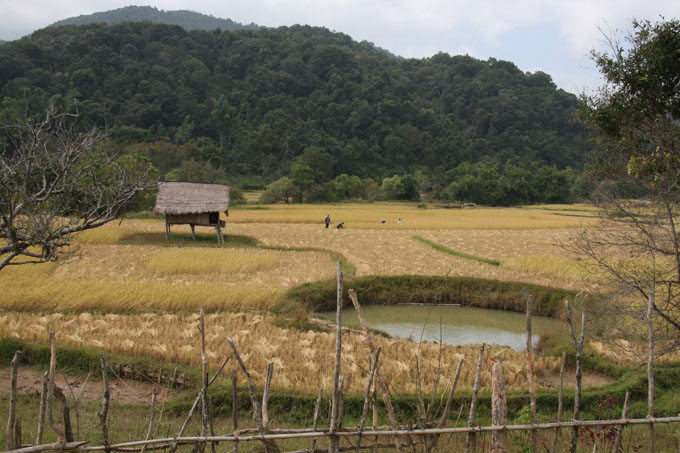
There is lots of evidence in the area of the Vietnam war, bombs are displayed around in the little town and here a bomb crater forms a handy pond!


We continued on to Phonsavan and out on the road leading south west to the Plain of Jars site one. Just before the gate we took a track to the right and asked in the house if we could park for the night. It was just on the bank of a lake which was used as a fish farm. A really quiet spot and only 100m from the entrance of the jars site.

2nd November – Xieng Lom

5 Nov

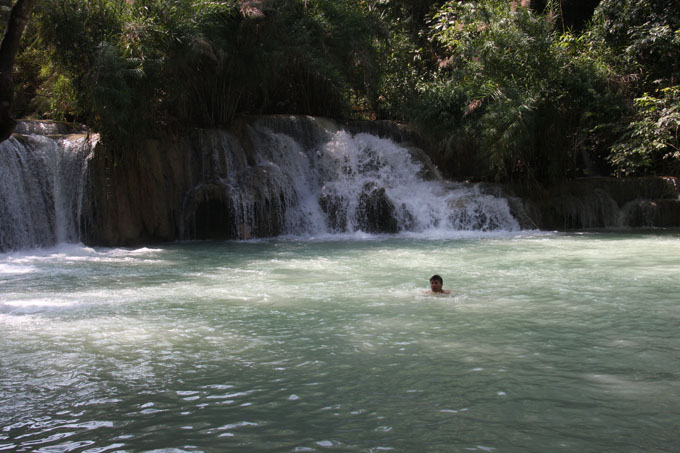
After a slow start in Luang Prabang and breakfast in the JoMa Bakery, we drove out to the Tat Kuang Si falls which are about 32km south west. It was a warm morning and were looking forward to a swim in the pools below the falls.


The woods were nice and shady and although the water felt cool it was nothing like the cold rivers of Dartmoor!


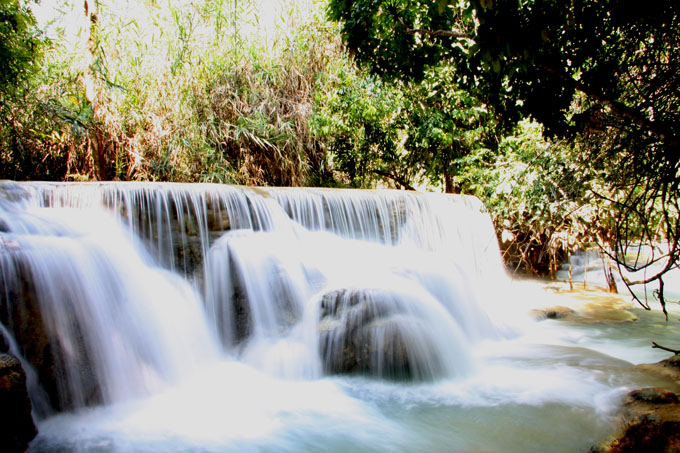
There is a good path that follows along the course of the pools. The shade allows you to take some long exposure pictures. Interesting but it makes it look like a Chinese postcard!


All along the trail are tropical plants and the moisture from the waterfalls attracts the butterflies.


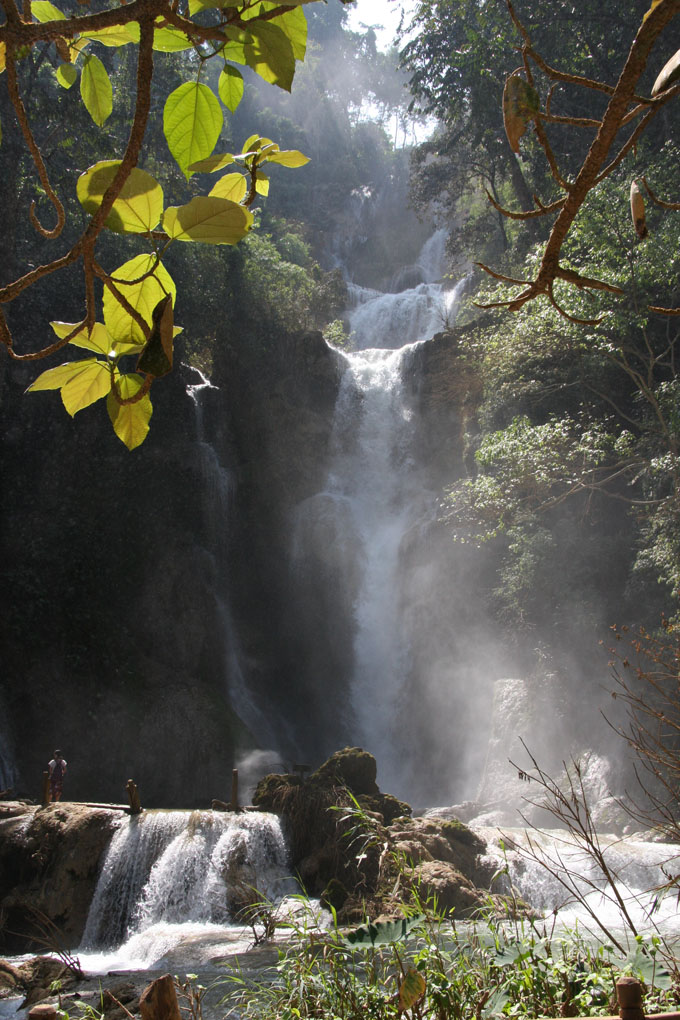
At the top of the main path you get to the biggest fall. It must be really dramatic in the wet season.


There is also a trail to take you up to the top of the falls, but there is no viewing point that we could find and so could not really see much. It was good exercise in the heat and humidity though.


On the way back we passed the bear enclosure where they have rescued bears. A lot had been kept as pets in tiny cages or some used to perform. This has been virtually stopped now and the problem that the bears face is being kept and used to supply bear bile to the Chinese for medicine.


We then drove back to Luang Prabang before heading south towards Vientiane.  On the way we saw a sign to the Elephant Village, which was 5km off the main road on a dirt track. It was a rescue centre where elephants that retire from logging go to do light work giving tourists rides and splashing around in the river whilst be scrubbed with brushes … they seem to enjoy it. Sometimes they get elephants that have been injured by UXO (unexploded ordinance) left over from the Vietnam war. For some reason they say that 30% of the bombs dropped on Laos did not explode, leaving nasty little booby traps all over the country.

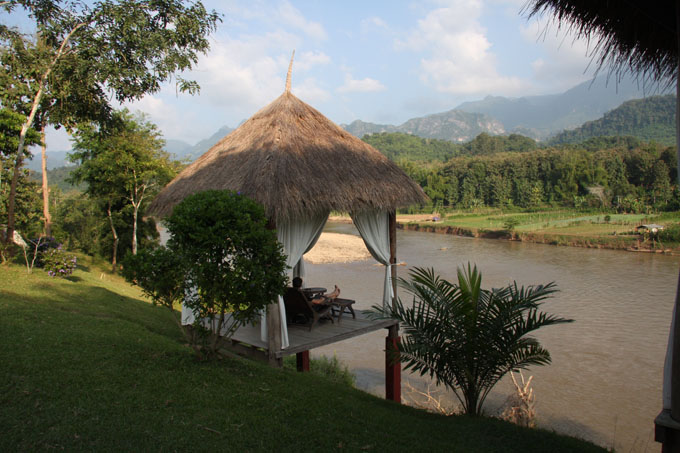
The camp is a nice place to relax and does offer accommodation that looks out over the river. We stayed in the carpark which was free, but we left a donation for work with the elephants instead.


We went to sleep to the sound of thousands of frogs in the pond next to the carpark and woke up to the sound of almost as many cockerels! It was a nice spot though.

1st November – Luang Prabang

2 Nov

Spent a couple of hours updating the website. It is a nice spot, right next to the river and the overhanging trees make it shady.

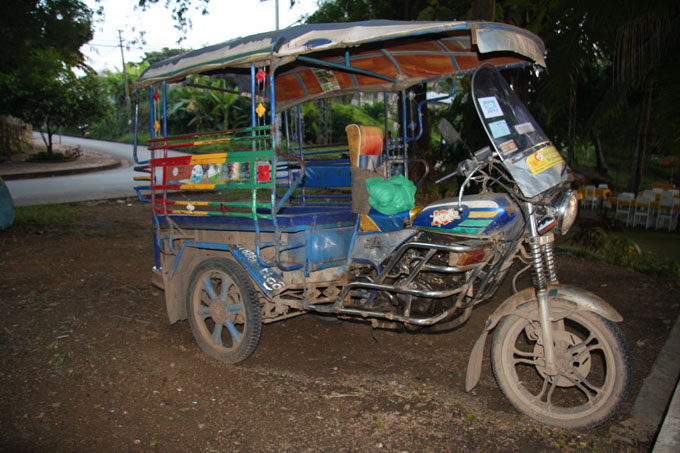
Next to our camper is one of the tuk tuks that run around all over the city.

The middle of the day was spent just walking around the town. There is lots to see and one road follows the Mekong and the tributary in a big loop. It is shady and the views are good. The road that runs through the centre is the main street for restaurants and is also where the night market is held.

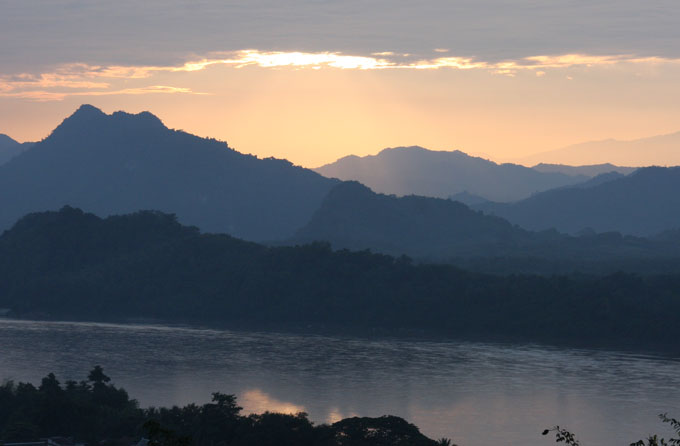
Towards sunset we walked up onto the hill in the middle of town, which is the site of That Phu Si. There are good views of the town, buddhas, a temple, flowers and it is also a good place to see the sunset.

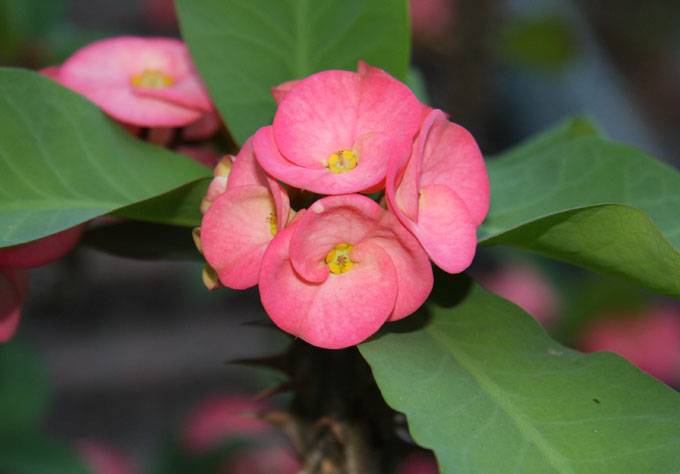
Up close the flowers are really delicate, unlike the stems which have vicious spikes like a rose.

Again the colours of the sky were worth a picture or two … no more we promise!

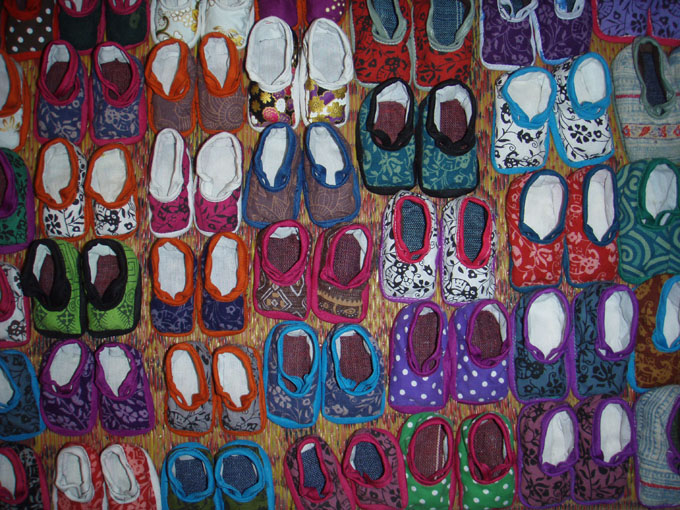
Walking down from the hill, the path drops in above the night market. It was early and so pretty quiet.

There are loads of things to tempt you but our lack of space in the camper puts us off the shopping. The colours are great.


So once again we looked and bought nothing!


There are lots of restaurants along the main strip, and we chose Thai. We had a large beer (Beerlao 640ml), tea, curry and a stir fry for 62000 kip. That is about 4 pounds 25p, and that was a nice place. You can each much cheaper if you leave the main tourist area!

31st October – Luang Prabang

1 Nov

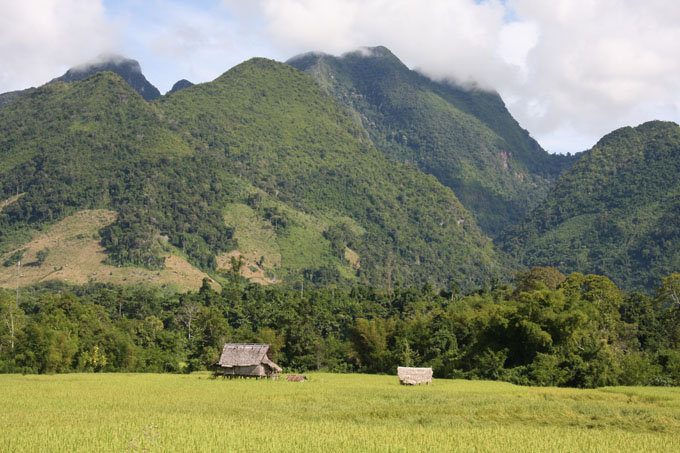
Woke up to a lovely view of the rice fields and mountains behind.


The funny noises that we had heard a couple of times during the night were explained. It was pitch dark last night and had no idea what was making the splashing noises!


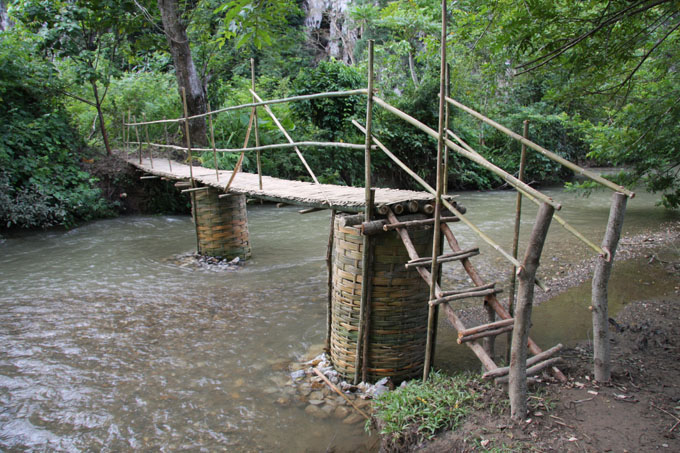
The bridge that gave access to the other side of the river was all made of bamboo. The baskets in the river were filled with rocks.  It probably needs replacing each rainy season.


The caves were small but interesting. They were used as a hiding place for army units  and civilians during the Vietnam war. The entry fee was 5000 kip, about 35p   ….. very reasonable! In China it would have been 15 $ US.


The lady who was collecting the entry fee had her son with her. They arrived early so as to not miss any customers, so her son had breakfast there.


All the villages have little shops with the basic essentials.


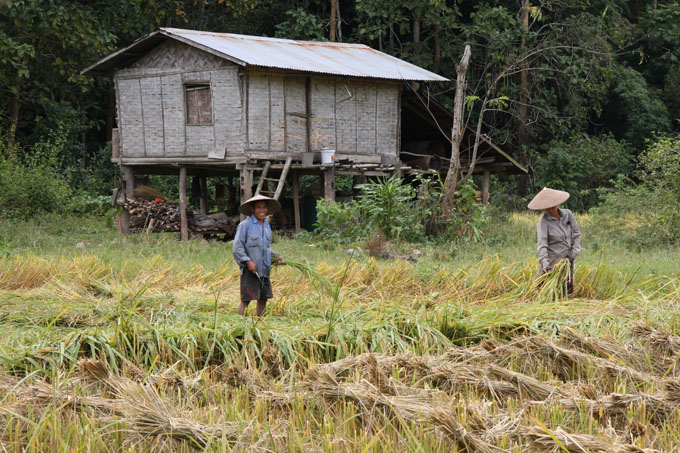
All along the road there are people busy harvesting the rice crops.


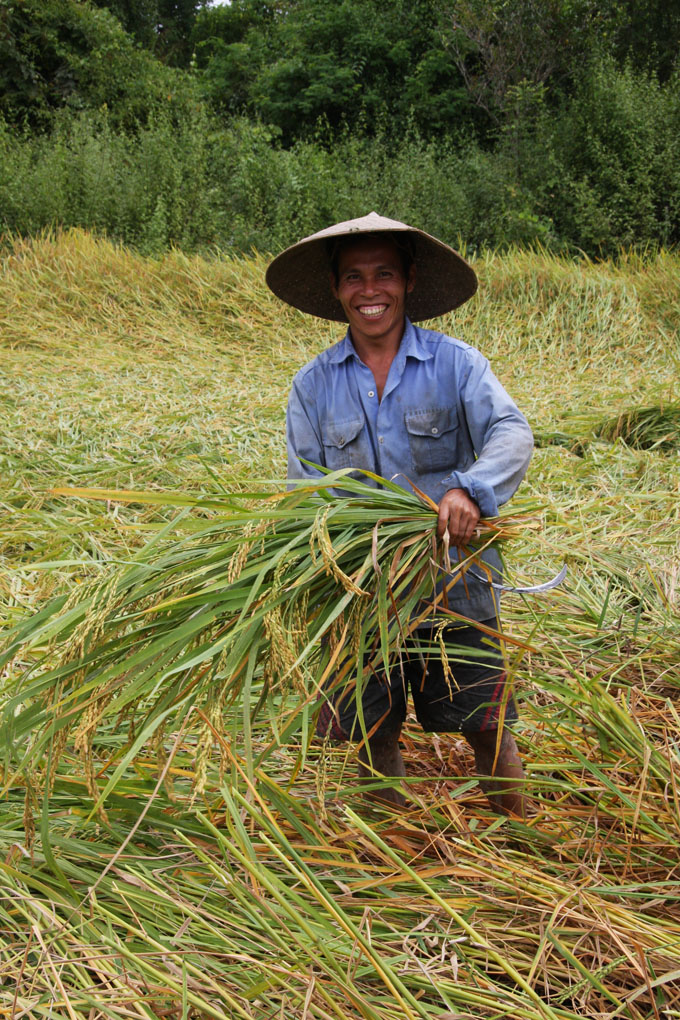
The hats have not changed for centuries but the baseball cap must be a fairly recent modification.


The scenery was still stunning all the way through to Luang Prabang.


When we arrived in Luang Prabang we found a great place to park on a private parking area right next to the Mekong. It was a lovely evening and we looked out over the river as the sun set.


We have never seen as many western tourists as there are in this city! They seem to have all come to escape the floods from Thailand …. many are en route to Vietnam or China. We also met the Swiss couple who had travelled through China just before us with our guide Spring. We were not happy when they said that they had been charged 20% less than us for the guide, even though we were a single car and they were a group of three! As we said …. talk to us before you book your drive through China. We are still disappointed that the the system that you have to follow for your drive through the country forces you to rush so much.

We met two really nice couples today, that we hope we see again. One was a couple from New Zealand who are living in the UK called Paul and Bridgette, and the other were from Finland, Eero and Laura.

Overall a great day.

30th October – Road to Muang Ngoi

1 Nov

Left the Hotel after managing to buy some of their butter stock. We had not been able to buy any since leaving Russia. We probably could have bought some handmade butter from Mongolia, but the ones we tried had an unfamiliar flavour. We took a couple of wrong turns on the way out of the town as we had no detailed map. It was Marjool’s turn to ask the way.


We had decided to give away our Russian duvet as it was now far too warm to use. This was a relief as it took up so much room. We looked for someone who may want it as a sleeping mat and found a lady with three boys. She was really pleased (and surprised!).


The little boy was training early and had a sharp little machete to eat his fruit with.

Further along the road we stopped to watch some boys fishing. It must be their way of relaxing on a Sunday.


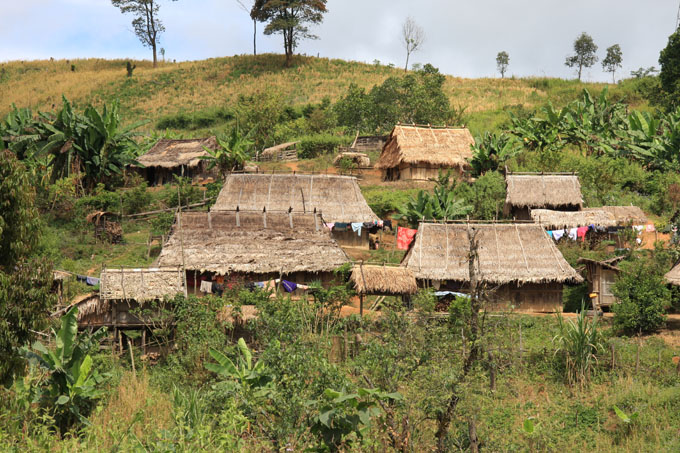
The traditional villages are very pretty and are dotted along the road every few kms. They have roofs made with natural materials and remind us of our days backpacking in Thailand 20 plus years ago.


All along the road there are springs that are guided in bamboo to provide places to fill carriers with water, wash clothes and shower.


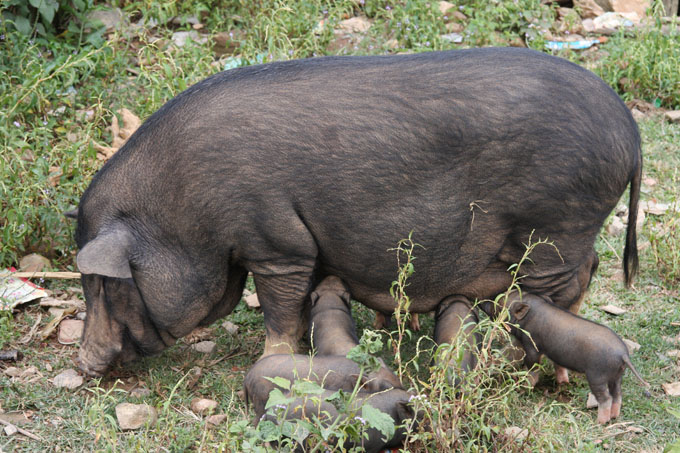
Lots of the houses have their own pig, or in this case a whole family. The piglets are sweet and are running around everywhere. Lots of children, piglets and chicks here. Must be something in that spring water!


One of the villages had a pool club.


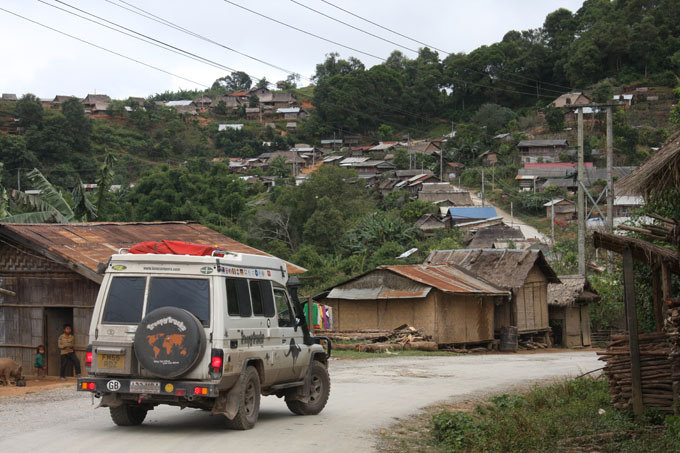
The larger villages looked slightly different, in the same way as people ‘upgrade’ to plastic windows at home, people here want metal roofs. Not as nice to look at but probably very practical.


Again as we drive we have to keep stopping to take pictures, it is so good to have that opportunity. The backpackers and other tourists on the local buses just shoot through. It must be really frustrating!


We love the tiny petrol stations … not really geared up to sell us 180 ltrs!


As we got to Muang Ngoy the view up the river was stunning.


That evening we carried on through the village to Patok caves and camped by the river.


A group of rice pickers had been working in the field all day and still had to carry the rice across the fields and up the hill to load on a lorry. I helped with one sack, and in the heat, slippery mud and dark, that was enough! They earn their wages.

29th October – Villa KeoSeumsack

30 Oct

The hotel is in a good location and only a short walk to town. There is lots of choice around here but this one has good parking and really friendly staff. There seem to be quite a few French and American guests here. They also hosted a big group of UK bikers coming in from China. We have not checked the website yet, but it is http://www.motoexplorers.co.uk.


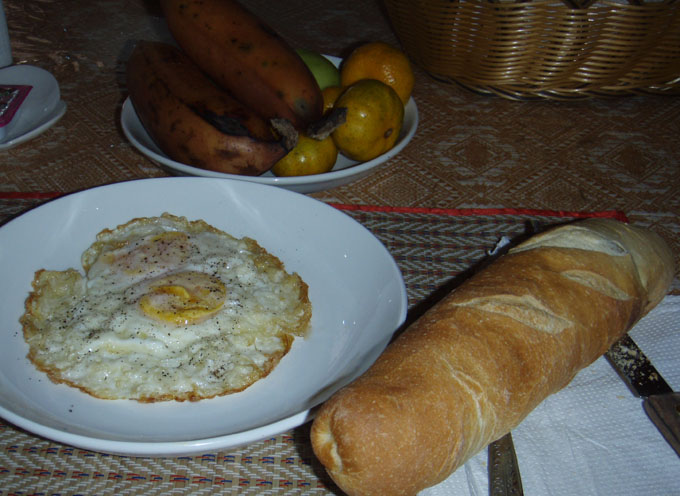
After a breakfast of eggs, baguette (with butter!) and fresh fruit, we sat on the balcony for a couple of hours and updated the website. It was nice to relax after all the rushing around to exit China.


In the afternoon we wandered around town and generally relaxed. There were lots of tool and car part shops, so Graham could look around and think of the garage and barn that he misses so much!

The kids here still love having their picture taken as long as you show them the results. They often roll around laughing at the pictures. I’m sure that a few more years of tourists will make them slightly less enthusiastic … but for now its nice. We often think that the old cameras that produce an instant print would be great for this sort of trip. Not sure you can still get them?


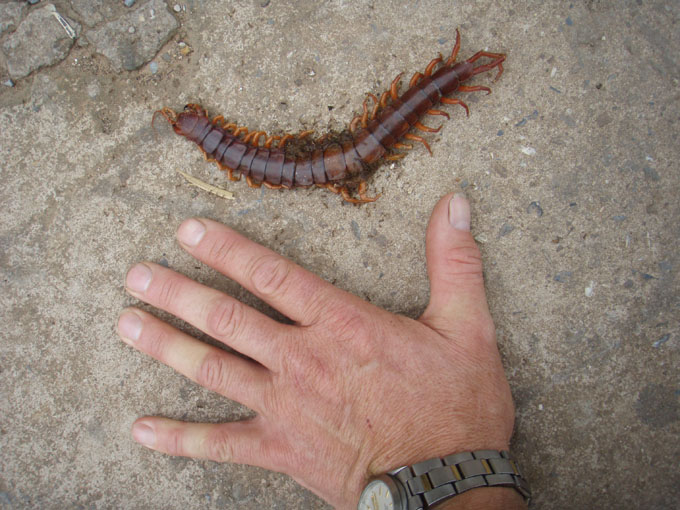
Walking back to the hotel we saw a big centipede on the pavement covered with tiny ants that were trying to eat it! This would not be a nice one to find in your sleeping bag while camping!


We will continue south tomorrow. Checking the weather it may still be a bit warm down in Vientaine …. maybe we should not rush from the mountains, it is a really nice temperature here!


Sun, sun sun !!

28th October – Out of China into Laos

29 Oct

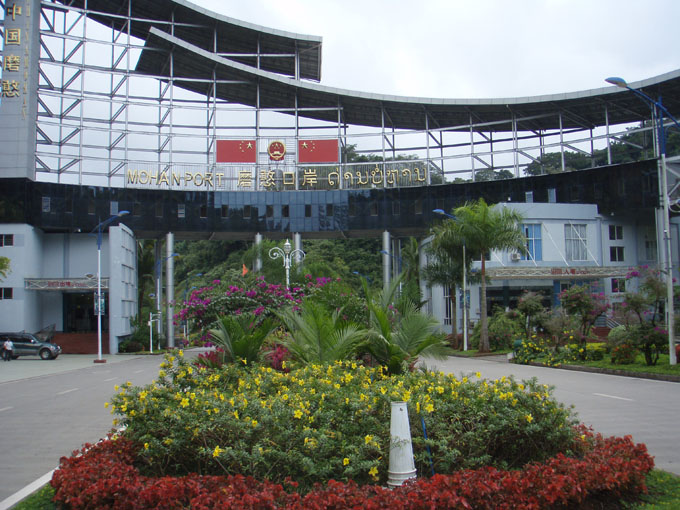
We arrived at Mohan after a short 50km drive on excellent roads. Mohan is very smart and clean with lots of nice flowers and plants. We stopped outside an hotel to wait for Spring to sort out the exit paperwork. It is a good place to change money but make sure that you know the exchange rates and be prepared to haggle. One of the money changes tried to con us with a poor rate, finally agreed a better rate and then folded the notes so that if we had not separated them to count would have lost 20 % of the value …. be aware!! We told her to go away in no uncertain terms and left her struggling to put the screwed up bundle of notes back into her stack!


After filling up our tank with water at the hotel and changing the money, we headed on to the border for immigration and customs. All went well and within an hour we were driving out of the Chinese side.


We drove along a few hundred metres to the Loas side, where you could immediately see that we were in a different country. It felt good.

First step was to thoroughly decontaminate our vehicle (agricultural quarantine) by hosing down the wheels. It appears that any contamination is only on the near side wheels as they only bother with the ones on their side! Once finished they smiled and said ‘pay money” but they were smiling and expected my smile and shake of the head.

Next we went to park next to immigration where we filled in a visa form and then an entry form for the police. They ask for a passport photo and so make sure you have some spares. The cost was $37 each …. not sure if that is right, and afterwards thought that we should have asked for a receipt for reasons you will understand after the next step!

When I told them I had a car, they wanted the carnet to stamp on the back of the first page. They asked for a payment of 20000 kip for this stage (about 140 pence so not a fortune) confused about this step I asked for a receipt. The man then said “OK 10000 then” and handed me a receipt for this amount.

We then went to another booth in a small building and bought 3rd party motor insurance (I think and hope!). This was 110000 kip which is about ( 7.70 pounds). Sounds a bit cheap so I guess the cover is limited!!


With this step complete we drove off. I was a little concerned about the carnet not being stamped properly but could not remember which countries I needed it for …. bad I know, but we had rushed on the last few days and forgot to check.

A few km later we got to another customs check point and although they waved us through, I backtracked and went in an office to check the carnet issue. They seemed to know what they were doing and stamped and signed the carnet and ripped off the bottom section. We had not used it before and the sample form from the RAC was printed so small we could not see what it said at all. Must be getting old … its your parents that always complain how small the print is, not us ….

Laos

  • 19400 km from home!
  • Money : Currency is the Kip (chicken in dutch!?). 1000 Kip is about 7 pence.
  • Diesel in this area about 9500 Kip
  • First time we’ve been to the ATM and withdrawn one million!

Immediately the scenery changes, there are no vegetables growing on the roadside and the houses are lovely bamboo sided structures on stilts. There was a sudden feeling of being free to take our time …. daily life here should be much cheaper, distances shorter and lovely smiles to send you on your way.


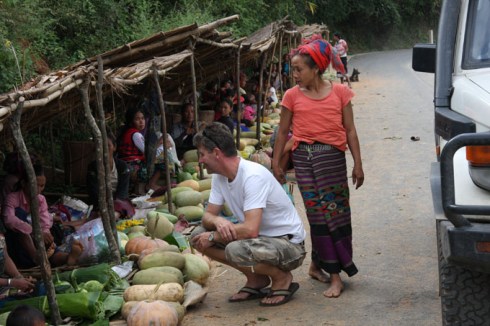
We bought some fruit …. or are they vegetables?!


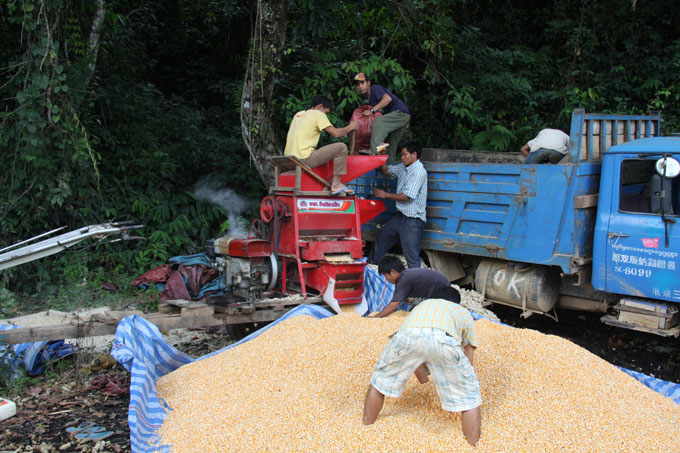
Further along the road there was a group using machinery to separate the maize from the husks. In China we always saw this being done by hand.


It is a really good road, put in by the Chinese. As it is in good condition it is easy to look around as you drive. There is loads to see and the scenery is fantastic.


They look like pot bellied pigs as the older ones we saw have bellies that almost touch the ground … really low slung!

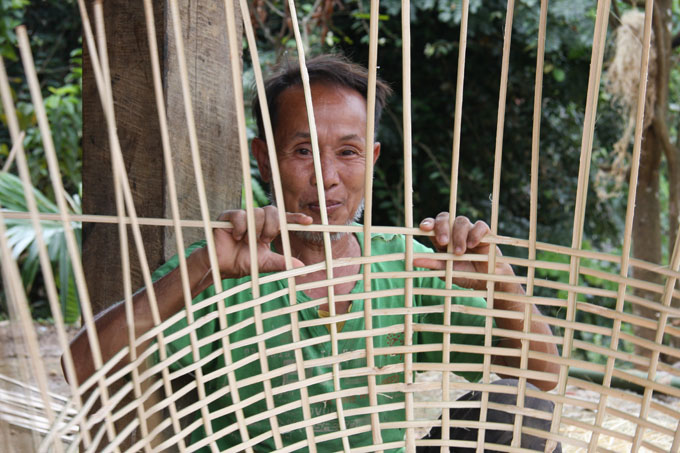
Next was a man weaving a split cane basket.


At one point we stopped for a drink thinking that a beer sign meant that beer was for sale with other drinks. In fact it was only beer. We had one large bottle and four more for the fridge. This cost 20000 kip or 140 pence for the five!!

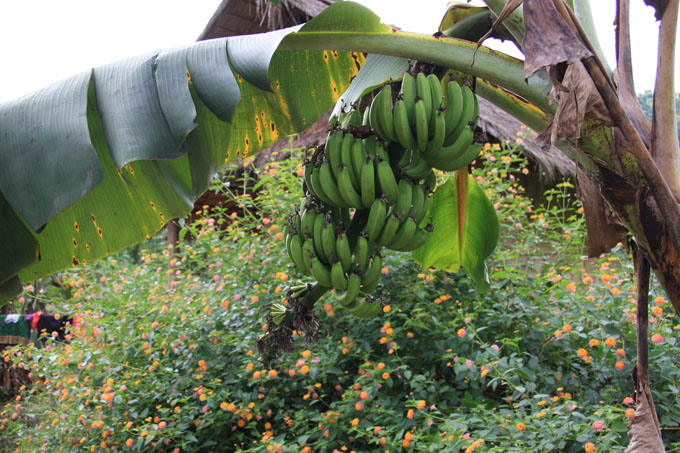
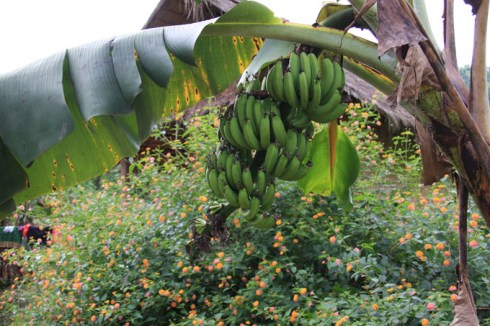
Outside the bar there were bananas growing.


We carried on to a town called Muang Xay as we wanted to sort out a 3G card for the phone and to see if we could get WordPress here in Laos. We did not want to distract Ben from his uni work for too long with the web posting! We found a really nice hotel (the only one with wifi) for about 14 pounds including two breakfasts. It is called the Villa KeoSeumsack and is a lovely building with really friendly staff and owners. They do not allow camping in the carpark which was our first request.

Once we had settled in we went to a nice little Laos restaurant around the corner and met Ashley, who is working in the town as a consultant. She lives in Cambodia at the moment … maybe our paths will cross again?

27th October – On to Mengla (near Mohan)

29 Oct

The day started slowly as the first two hours were on a busy national road and we only covered 90 km. It is getting really warm in the car but we are reluctant to use AC as it would be difficult  to sleep at night if we are not acclimatised to the heat and humidity. We passed through the Tropic of Cancer and so officially in the tropics now!

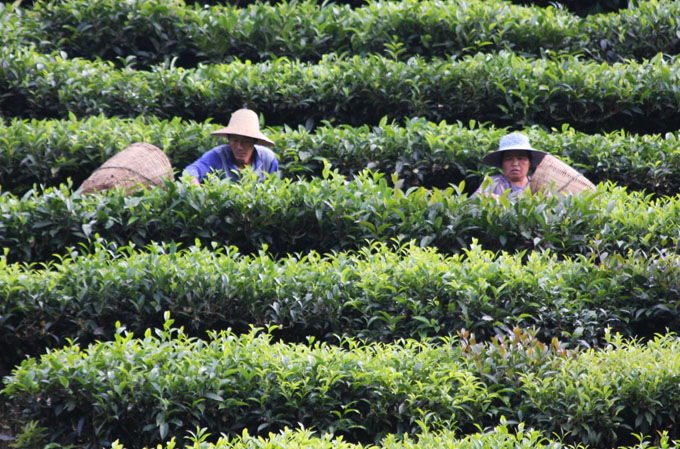
As we drove along the freeway we saw lots of tea bushes, with locals busy picking the leaves.


We passed a city called Pu’er which is part of the old tea route through which the tea was transported to Tibet by porters who carried 70 or 80 kgs through impossible mountain tracks. This is part of the supply route for the Silk road.

We came across lots of empty diesel stations and queues of lorries in this region. You can imagine how quickly China would grind to a halt without massive supplies of oil. It is a huge and hungry machine, which is a little bit frightening.

We continued on and stopped at Mengla only 50kms from the border. It was quite a relief. We went out that evening with Spring for our last meal and although it was with some guilt that Graham ordered chicken and chips. He did however make up for it by eating it like a local. Marjool was very good and had fried rice!


That night we had a huge thunder storm and heavy rain. We hoped that the roads in Laos were OK and thought of the poor people in Thailand who would receive the rain in a few days. Just what they don’t need!